
October 19, 2026
Agency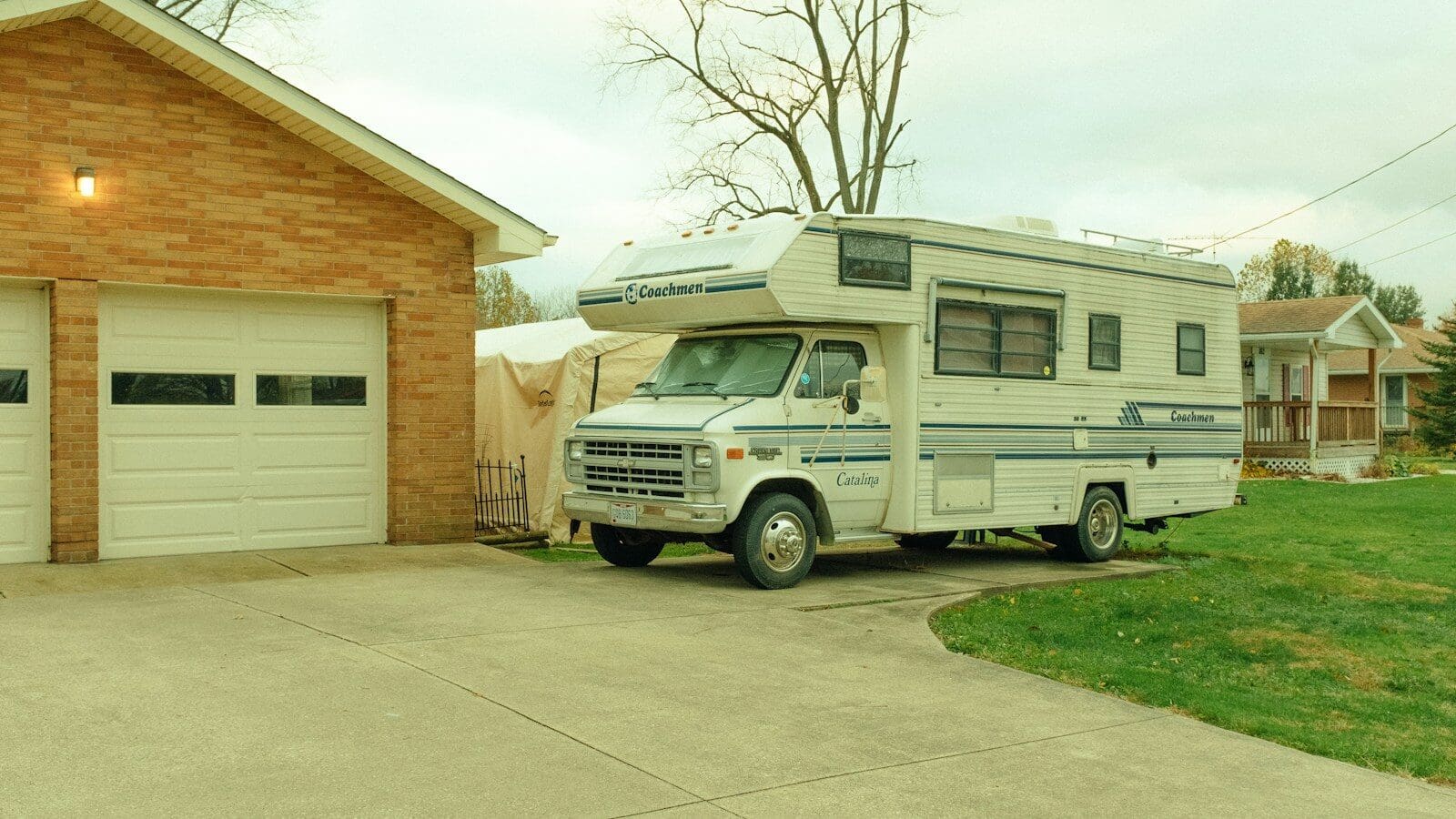
What RV Insurance Covers (and What It Doesn’t) During the Off-Season
Storing your RV for the winter does not pause your financial exposure, and in some ways it changes the risks you are managing. A parked rig can be damaged by falling trees, vandalized or hit by another vehicle in a storage lot, and those events are not covered by a bare-bones policy designed only for road use. Knowing how your coverage applies when the engine is off helps you avoid gaps that could leave a costly repair on your shoulders.
What Standard RV Coverage Typically Includes
A broad RV policy generally offers coverage for a range of situations, even during storage periods. Depending on how your policy is structured, off-season coverage may include:
- Comprehensive coverage—May help cover noncollision events such as fire, theft, hail and falling objects
- Liability coverage—May help cover costs if your stored RV causes property damage or injury
- Personal belongings coverage—May help cover items kept inside the RV during storage
Policy terms vary by carrier, so confirming what your specific plan covers while the RV is not in use is worth the conversation with your agent.
What Your Policy May Not Cover
Wear and tear, mechanical breakdowns and damage from pests or rodents are typically excluded. Flood damage during storage may require a separate endorsement or policy. If you drop to liability-only coverage for the off-season to reduce premiums, comprehensive coverage disappears with it.
Should You Adjust Coverage for the Off-Season?
Reducing coverage during storage can lower your premiums, but the tradeoff is exposure to the risks listed above.
Cover Your RV Year-Round
Contact Always Insured to review your current RV policy and make sure your coverage reflects how and where you store your vehicle. Our team serves RV owners throughout Phoenix, AZ and can help you find the right balance for every season.
This blog is intended for informational and educational use only. It is not exhaustive and should not be construed as legal advice. Please contact your insurance professional for further information.
Categories: Blog, RV Insurance